
If you’ve been considering upgrading to a water-saving toilet, you’re probably wondering whether the investment will actually pay off. With so many options on the market and varying price points, it’s natural to question if these eco-friendly fixtures live up to the hype. Let’s dive deep into everything you need to know about water-saving toilets so you can make an informed decision for your home.
Table of Content
Understanding Water Saving Toilets: What Makes Them Different?
Water-saving toilets, also known as low-flow or high-efficiency toilets, use significantly less water per flush compared to older models. While traditional toilets manufactured before 1994 use anywhere from 3.5 to 7 gallons per flush, modern water saving toilets typically use just 1.28 gallons per flush or less. Some ultra-high-efficiency models even manage to get the job done with just 0.8 gallons!
The technology behind these toilets has come a long way. Early low-flow models from the 1990s earned a bad reputation for poor flushing performance, requiring multiple flushes and ultimately defeating their water-saving purpose. However, today’s water-efficient toilets incorporate advanced engineering, improved bowl designs, and powerful flushing mechanisms that deliver excellent performance while using minimal water.
The Technology That Makes It Work
Modern water-saving toilets achieve their efficiency through several innovative features. Gravity-assisted flushing uses a larger flush valve (typically 3 inches instead of 2 inches) to create a more powerful flush with less water. Pressure-assisted systems use compressed air to boost flushing power, while dual-flush mechanisms give you the option to use even less water for liquid waste. These technological improvements mean you’re not sacrificing performance for conservation.
The Financial Case: Real Savings You Can Expect 💰
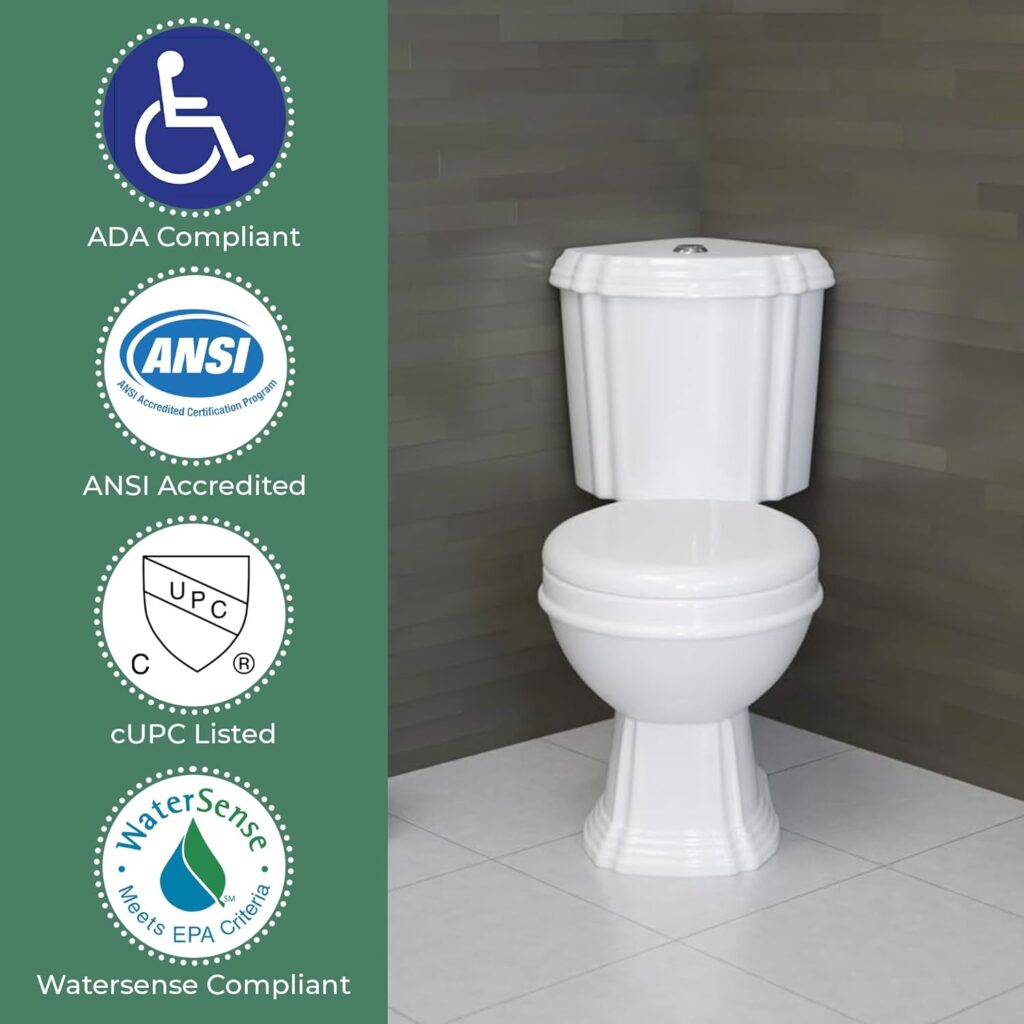
Let’s talk numbers, because that’s often what matters most when making a home improvement decision. The average American family of four uses approximately 400 gallons of water per day, with toilets accounting for nearly 30% of that usage. That’s roughly 120 gallons daily just from flushing!
Breaking Down Your Savings
If you’re replacing an older toilet that uses 3.5 gallons per flush with a modern low-flow toilet using 1.28 gallons per flush, you’ll save 2.22 gallons with every flush. For a family of four flushing an average of 5 times per person daily (20 flushes total), that’s 44.4 gallons saved each day, or 16,206 gallons per year!
According to the EPA, the average cost of water in the United States is about $1.50 per 1,000 gallons (though this varies significantly by location). At this rate, you’d save approximately $24 per year per toilet. If you live in an area with higher water rates, like California or Nevada, your savings could be $50-100+ annually per toilet. Don’t forget to factor in sewer charges too, which are often calculated based on water usage – these can effectively double your savings!
Rebates and Incentives Sweeten the Deal
Many water utilities offer rebates for installing water-efficient toilets, sometimes as much as $100-150 per toilet. Some municipalities even provide free toilet replacement programs for qualifying residents. The EPA’s WaterSense program maintains a database of rebate programs across the country, making it easy to find incentives in your area. When you factor in these rebates, the payback period for a water-saving toilet can be just 1-3 years, after which you’re pocketing the savings.
Environmental Impact: Beyond Your Water Bill 🌍
While the financial benefits are compelling, the environmental advantages of water-saving toilets extend far beyond your personal savings. Water scarcity is becoming an increasingly critical issue worldwide, even in regions that historically had abundant water supplies.
The Bigger Picture of Water Conservation
If every American household replaced just one older toilet with a WaterSense-labeled model, we would save more than 360 billion gallons of water annually – that’s equivalent to the flow of water over Niagara Falls for about 15 days! This conservation reduces the strain on water treatment facilities, decreases the energy needed to pump and treat water, and helps preserve natural water sources for future generations.
The energy connection is particularly important. Treating and delivering water to your home requires significant energy, as does treating wastewater. By using less water, you’re indirectly reducing your carbon footprint. The EPA estimates that WaterSense-labeled toilets save enough energy to power more than 300,000 homes annually.
Making a Real Difference in Drought-Prone Areas
If you live in a drought-prone region, choosing a water-efficient toilet isn’t just about savings – it’s about being a responsible citizen. States like California, Arizona, Nevada, and New Mexico face ongoing water challenges, and every gallon saved makes a difference. Some areas have even made low-flow toilets mandatory in new construction and renovations, recognizing their crucial role in water management.
Performance Matters: Do They Actually Work Well? 🚽

This is probably your biggest concern, and it’s completely valid. Nobody wants to deal with frequent clogs, weak flushes, or multiple flush attempts. The good news is that today’s water-saving toilets are engineered to perform just as well as (and often better than) their water-guzzling predecessors.
What to Look for in Performance
The Maximum Performance (MaP) testing program evaluates toilets based on how much solid waste they can remove in a single flush. Look for toilets with MaP scores of 500 grams or higher – these consistently deliver reliable, powerful flushes. Many modern best toilet brands like TOTO, Kohler, and American Standard offer water-saving models with MaP scores exceeding 800 grams while using just 1.28 gallons per flush.
Real-World Performance Factors
The shape and design of the bowl matter significantly. Elongated bowls typically provide better waste clearance than round bowls, and elongated toilets are increasingly popular for this reason. The glazing quality also affects performance – a smooth, high-quality glaze prevents waste from sticking and reduces the need for scrubbing or additional flushes.
Flush valve size is another critical factor. The wider the flush valve, the faster and more forcefully water enters the bowl. Many high-efficiency toilets feature 3-inch or larger flush valves, compared to the 2-inch valves common in older models. This larger opening allows gravity to do more work, creating a more effective flush with less water.
Dealing with Hard Water and Mineral Buildup
If you have hard water, you might worry about performance issues from mineral buildup. While this is a valid concern, many modern self-cleaning toilets incorporate special glazing and rim designs that minimize mineral accumulation. Regular cleaning with appropriate products can keep your water-saving toilet performing optimally for years. For more information on maintaining your toilet, check out these tips on how to prevent rust stains in toilet bowls.
Types of Water-Saving Toilets: Finding Your Perfect Match 🎯
Not all water-saving toilets are created equal. Understanding the different types will help you choose the right one for your needs and preferences.
Dual-Flush Toilets
Dual-flush toilets offer two flush options: a partial flush (typically 0.8-1.0 gallons) for liquid waste and a full flush (1.28-1.6 gallons) for solid waste. This flexibility can reduce water usage even further than standard low-flow models. They’re particularly popular in water-conscious regions and modern home designs. The controls come in various styles, including push-button tops and side-mounted levers.
The main consideration with dual-flush toilets is making sure everyone in your household understands how to use them correctly. Some people automatically use the full flush every time, negating some of the water-saving benefits. However, with a little education, dual-flush toilets can be the most efficient option available.
Pressure-Assisted Toilets
These toilets use compressed air to boost flushing power, making them excellent for homes with septic tanks or low water pressure. They’re typically the quietest flushing toilets that still deliver exceptional performance. The trade-off is that they’re usually more expensive upfront and can be slightly louder during the flush due to the pressure release.
Pressure-assisted models are particularly good at preventing clogs, making them ideal choices for households that have historically struggled with non-clogging toilet performance. They’re also favored in commercial settings where reliability and powerful flushing are essential.
Gravity-Fed Low-Flow Toilets
These represent the most common type of water-saving toilet. They rely on an improved bowl design, larger flush valve, and optimized water flow to achieve efficient flushing with less water. They’re generally the most affordable option and tend to be quieter than pressure-assisted models. Brands like TOTO, Kohler, and American Standard all offer excellent gravity-fed low-flow options.
One-Piece vs. Two-Piece Designs
Water-saving toilets come in both one-piece and traditional two-piece configurations. One-piece toilets have a sleeker appearance, are easier to clean (no seam between tank and bowl), and can be slightly more water-efficient due to optimized internal engineering. However, they’re typically more expensive and heavier, which can complicate installation. The choice often comes down to aesthetics, budget, and personal preference rather than water-saving capability.
Special Considerations: Making Sure It’s Right for Your Home 🏠
Before you commit to purchasing a water-saving toilet, there are several practical factors to consider that can affect your satisfaction with the investment.
Rough-In Measurements and Installation
The rough-in measurement (the distance from the wall to the center of the drain) is crucial. Most toilets are designed for a 12-inch rough-in, but older homes sometimes have 10-inch or 14-inch configurations. 14-inch rough-in toilets can be more expensive and harder to find, so measure carefully before shopping. If you’re uncertain about installation, check out this guide on how to install an American Standard toilet.
Height Considerations for Comfort
Standard toilet heights range from 15-17 inches, but comfort height toilets (17-19 inches) are increasingly popular, especially for seniors and people with mobility issues. Many water-saving models are available in comfort height configurations, and these toilets for seniors can make daily life easier while still delivering water savings. The slightly taller height makes sitting down and standing up more comfortable, particularly for those with knee or hip problems.
Bathroom Size and Design
For smaller bathrooms, consider compact toilets that maintain water efficiency while taking up less space. Corner toilets are another space-saving option that can work beautifully in tight quarters. Modern water-saving technology is available in virtually every size and configuration, so don’t assume you have to compromise on efficiency due to space constraints.
Weight Considerations
If you’re doing the installation yourself, remember that toilet weight varies considerably. Porcelain toilets typically weigh between 60-120 pounds, with one-piece models generally being heavier than two-piece designs. Having a helper during installation is always recommended for safety and ease.
Top Performers: Specific Models Worth Considering ⭐
While I can’t provide exhaustive reviews here, certain models have consistently received high marks for combining water efficiency with excellent performance. The American Standard Champion 4 uses just 1.6 gallons per flush but has one of the highest MaP scores in the industry, making it virtually clog-proof.
The Kohler Cimarron toilet offers 1.28 gallons per flush with reliable performance and has been a consistent favorite among homeowners and plumbers alike. The American Standard Cadet 3 is another solid choice that balances affordability with water efficiency and dependable flushing.
For those seeking premium options, TOTO’s offerings consistently rank among the best TOTO toilets available, with innovative features like Tornado Flush technology and CeFiONtect ceramic glazing that prevents waste and bacteria from sticking to surfaces. The Kohler Santa Rosa is a one-piece option that combines style with efficiency.
Budget-conscious shoppers might consider brands like Woodbridge, Swiss Madison, or Horow, which offer water-efficient models at more accessible price points without sacrificing too much on performance.
Potential Drawbacks: The Full Picture 🤔
To give you a complete and honest assessment, let’s discuss some potential challenges you might encounter with water-saving toilets.
Initial Cost Investment
Quality water-saving toilets typically cost more upfront than basic standard models. While you can find budget options starting around $150, high-performance models often range from $300-600 or more. Installation costs add another $150-300 if you hire a plumber. However, when you factor in rebates and long-term water savings, this initial investment becomes more reasonable.
Learning Curve for Dual-Flush Models
Some households find dual-flush toilets confusing at first, and guests may not understand which button to press. This isn’t a major issue, but it’s worth considering if you entertain frequently. Clear labeling or a small sign can help, and most people adapt quickly once they understand the system.
Rare Performance Issues
While modern water-saving toilets generally perform well, certain situations can cause problems. Very low water pressure in your home might affect flush effectiveness with some gravity-fed models. Older sewer lines with deterioration or roots might not handle solid waste as well with the reduced water volume. If you have these specific conditions, consulting a plumber before purchasing can help you choose the right model.
Not All Models Are Created Equal
The water-saving toilet market includes both excellent performers and mediocre options. Some budget models sacrifice performance for efficiency, leading to the frustrating experience of needing multiple flushes. This is why researching specific models, checking MaP scores, and reading verified customer reviews is essential before purchasing.
Installation and Maintenance: What to Expect 🔧
Installing a water-saving toilet isn’t fundamentally different from installing any other toilet, but there are a few considerations worth noting.
DIY vs. Professional Installation
If you’re handy and have basic plumbing knowledge, installing a water-saving toilet is a manageable DIY project. You’ll need standard tools (wrench, screwdriver, level), a wax ring, supply line, and a few hours. The process involves removing the old toilet, cleaning the flange, setting the new toilet, connecting the water supply, and testing for leaks.
However, if you’re replacing a very old toilet, the flange might need repair or the shut-off valve might need replacing – complications that often warrant professional help. If you’re uncomfortable with plumbing work or your bathroom has unusual configurations, hiring a licensed plumber ensures proper installation and protects against potential water damage from leaks.
Maintenance Requirements
Water-saving toilets don’t require special maintenance beyond normal toilet care. Regular cleaning keeps the bowl and jets clear. If you have hard water, periodic descaling might be necessary to maintain optimal performance. The fill valve, flapper, and other internal components eventually need replacement, just like in any toilet – typically every 5-10 years depending on water quality and usage.
One maintenance advantage of many modern water-saving toilets is their simpler internal mechanisms. Fewer moving parts generally mean fewer things that can break or wear out. Some models feature easily replaceable flush valves and flappers that you can swap out without tools, making maintenance even simpler.
Making the Decision: Is It Worth It for You? ✅
After examining all the factors, let’s address the core question: are water-saving toilets worth the investment? For most households, the answer is a resounding yes. Here’s a simple framework to help you decide:
You’ll Definitely Benefit If:
- Your current toilet is more than 20 years old (pre-1994 models use significantly more water)
- You live in an area with high water or sewer rates
- You’re environmentally conscious and want to reduce your household’s water footprint
- Your region offers rebates or incentives for toilet replacement
- You’re already planning a bathroom renovation
- You have an older toilet that clogs frequently or requires multiple flushes
You Might Want to Wait If:
- Your current toilet is already a modern low-flow model working perfectly
- You’re in a rental property and can’t recoup the investment
- You’re planning to move in the next year or two
- Your budget is extremely tight and you have no access to rebates
The Bottom Line
For the average homeowner, a quality water-saving toilet will pay for itself in 2-5 years through reduced water bills, after which it continues delivering savings for its 15-20+ year lifespan. When you add environmental benefits, potential rebates, and improved modern features like better bowl designs and more comfortable heights, the value proposition becomes even stronger.
Even if your primary motivation isn’t environmental consciousness, the financial math works in your favor. And if you do care about water conservation, you can feel good knowing that this single upgrade makes a tangible difference in preserving this precious resource.
Taking Action: Your Next Steps 🚀
If you’ve decided a water-saving toilet is right for your home, here’s how to move forward:
1. Measure Your Bathroom: Check your rough-in measurement and note your available space. Measure the height that would be most comfortable for your household.
2. Set Your Budget: Factor in the toilet cost, installation (if needed), and any additional materials. Don’t forget to research available rebates in your area through the EPA WaterSense Rebate Finder.
3. Research Specific Models: Look for toilets with high MaP scores (500+), WaterSense certification, and positive customer reviews. Consider visiting showrooms to see models in person if possible.
4. Consider Special Features: Think about whether you want dual-flush capability, comfort height, bidet toilet combo functionality, or other special features that align with your needs.
5. Purchase and Install: Buy from a reputable retailer with a good return policy in case you encounter issues. If installing yourself, take your time and follow instructions carefully. If hiring a plumber, get quotes from multiple professionals.
6. Break It In: Give your new toilet a few weeks of use to ensure everything works properly. Some models need a brief adjustment period as seals settle and you get used to the new flushing mechanism.
Final Thoughts 💭
Water-saving toilets represent one of the smartest home upgrades you can make. They combine environmental responsibility with financial practicality, and modern technology has eliminated the performance concerns that plagued early low-flow models. Whether you’re motivated by reducing your utility bills, doing your part for water conservation, or simply upgrading to a more reliable, modern fixture, a quality water-saving toilet delivers on all fronts.
The question isn’t really whether water-saving toilets are worth it – it’s which one is right for your specific situation. With the information in this guide, you’re now equipped to make an informed decision that benefits both your household and the environment. Remember, this isn’t just about choosing a toilet; it’s about making a positive change that will serve you well for decades to come.
Ready to make the switch? Your wallet, your household, and our planet will thank you! 🌟
Have questions about specific water-saving toilet models or need help choosing the right one for your bathroom? Feel free to explore more guides on our site about various toilet options, from tankless toilets to specialized models, and make your bathroom upgrade journey as smooth as possible!