
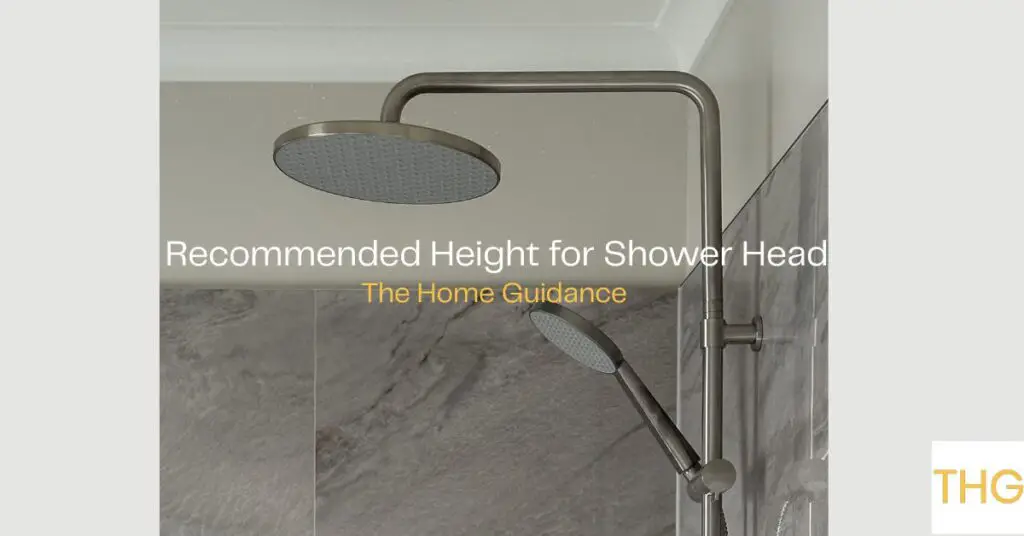
If you’ve ever stepped into a shower and felt like you were either crouching under the spray or getting blasted in the face, chances are your shower head height was off. It’s one of those small details that makes a massive difference in your daily comfort — and yet most people never think twice about it until something feels wrong.
Whether you’re renovating a bathroom, installing a new fixture, or just trying to figure out why your current setup feels awkward, this guide covers everything you need to know about shower head height, the recommended standards, how to customize for your household, the type of shower head that works best at different heights, and practical tips for getting it just right. Before we dive in, if you’re also thinking about upgrading your fixture itself, check out our guide on the best types of shower heads to find a style that suits your bathroom perfectly.
Use links below for easy navigation
Why Shower Head Height Actually Matters
It might seem like a trivial measurement, but shower head height is one of the most impactful decisions you can make when designing or upgrading a bathroom. Set it too low, and taller users will constantly hunch over or get the stream hitting their shoulders instead of their back and head. Set it too high, and shorter users might feel like they’re standing in a light drizzle rather than an actual shower.
Beyond comfort, height also affects water pressure distribution, how well the spray covers your body, and even how steam moves through the shower enclosure. A properly positioned shower head ensures that water hits you at the right angle, which directly improves rinsing efficiency — especially important when washing out shampoo or conditioner. There’s also a safety dimension to this, particularly in households with elderly users or people with limited mobility, where the wrong height can make maneuvering in the shower unnecessarily difficult.
Then there’s the aesthetic angle. A shower head that’s positioned awkwardly can throw off the visual balance of an otherwise beautiful bathroom. Whether you’re going for a sleek modern look or a classic spa feel, getting the height right contributes to a polished, intentional design.
The Standard Recommended Height for Shower Head Installation
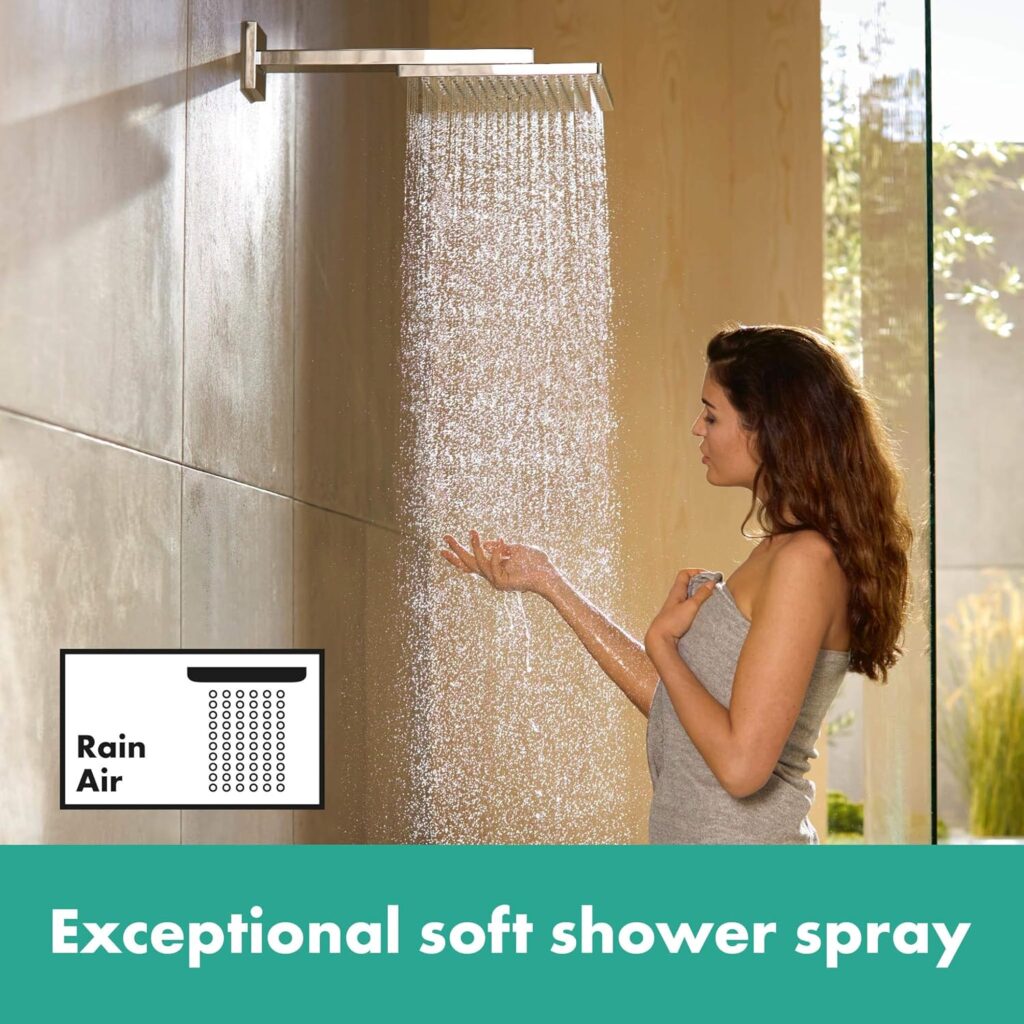
So what’s the magic number? The recommended height for a shower head is generally 80 inches (about 6 feet 8 inches) from the floor to the center of the shower head. This is the industry standard used by most plumbers and contractors, and it’s the default rough-in height found in most pre-built homes and apartments.
The reason 80 inches became the standard is pretty straightforward — it comfortably accommodates the average adult height, which in the U.S. sits around 5’9″ for men and 5’4″ for women, while still leaving enough headroom for taller individuals without requiring custom plumbing work. At 80 inches, even someone who is 6’2″ or 6’3″ can stand comfortably beneath a standard fixed shower head without having to duck.
That said, “standard” doesn’t mean “universal.” Many builders and designers now lean toward 84 inches (7 feet) as a more modern standard, especially in new construction, to give a greater sense of openness and accommodate a wider range of body types. Some luxury or custom showers go as high as 96 inches (8 feet) when paired with rain shower head systems that are designed to mimic the feeling of standing in a warm rainfall.
At the other end of the spectrum, children’s bathrooms or accessible bathrooms designed for people using wheelchairs may be set considerably lower — sometimes as low as 48 to 60 inches — to ensure usability and safety for all users.
How to Find the Right Shower Head Height for Your Household
The standard recommendation is a great starting point, but your household’s specific needs matter a lot here. Here’s a practical way to think through the right height for your situation.
Consider the tallest regular user. The shower head should always be above the head of the tallest person who regularly uses the shower. As a rule of thumb, aim for at least 3 to 6 inches above their height. So if someone in your home is 6’4″ (76 inches), you’d want the shower head at a minimum of 79 to 82 inches — right around the standard range, which is reassuring.
Think about the shortest regular user too. If you have children, petite adults, or elderly family members who use the same shower, a fixed shower head at 80 inches might spray right over their heads. This is one of the biggest reasons why handheld shower heads with a hose have become so popular — they give you the flexibility to lower the spray to any height on demand without any permanent adjustments.
Factor in your shower head type. A wall-mounted fixed shower head at 80 inches works well for most situations. But if you’re installing a rain shower head on the ceiling or on a high overhead arm, the physics change. Ceiling-mounted rain heads typically sit 84 to 96 inches from the floor, and the wide, gentle spray pattern means the coverage is broader even at greater distances. In contrast, a handheld or slide bar system is intentionally designed to be adjustable, making exact installation height less critical as long as the slide bar itself is positioned in a reachable range.
Don’t forget the ceiling height. If your bathroom has a standard 8-foot (96-inch) ceiling, there’s not much room to go significantly higher than 80 inches while still maintaining a practical downward spray angle. In bathrooms with higher ceilings — 9 or 10 feet — you have more creative freedom to go higher for a more dramatic, luxurious feel.
Shower Head Height for Different Types of Fixtures
Not all shower heads are created equal, and the type of fixture you choose will influence where and how you should mount it.
Fixed Wall-Mounted Shower Heads
These are the most common type and the ones that follow the 80-inch standard most closely. Whether you’re going with a simple chrome round head or one of the best metal shower heads with a more premium finish, the installation process involves setting the water supply arm at the correct height during rough-in plumbing. Once the pipe is in the wall, adjusting the height later is a significant undertaking, so it’s worth measuring carefully before committing.
Rainfall and Overhead Shower Heads
Rain shower heads are designed to be positioned directly overhead, either ceiling-mounted or on an extended arm, for a top-down drenching effect. The ideal height for a rain shower head system is typically between 84 and 96 inches from the floor. Going lower than 84 inches with a rain head can make the shower feel claustrophobic, while going above 96 inches may reduce the intensity of the spray noticeably. A popular option is the best rain shower head and handheld combo, which gives you overhead coverage along with the flexibility of a detachable spray.
Handheld Shower Heads
With handheld units, the mounting height refers to the holder or hook, not the head itself. The standard placement for a handheld holder is around 72 to 78 inches, which keeps it within easy reach for most adults while hanging naturally. The slide bar — the vertical rail that allows you to reposition the head up or down — is usually installed starting from about 36 inches off the floor and extending upward 24 to 30 inches, giving a usable range from mid-chest to overhead height. For seniors or those with mobility challenges, handheld shower heads designed for accessibility often come with grab bars or lower mounting options.
Dual Shower Head Systems
If you’re installing a shower head and handheld combo, you’ll have both a fixed wall or ceiling mount and a handheld unit on a slide bar. In this setup, the fixed head typically follows the 80-inch standard, while the slide bar for the handheld is installed independently. It’s worth thinking about spacing so the two streams don’t interfere with each other when both are running simultaneously.
The Role of the Shower Valve Height
One thing that trips up many DIYers and even some contractors is confusing shower head height with shower valve height. These are two separate measurements that serve different purposes, and getting both right is essential for a functional, comfortable shower.
The shower valve is the control mechanism — the handle or knob you turn to start the water and adjust temperature. The shower valve height standard is significantly lower than the shower head, typically around 48 inches from the floor. This puts the controls at a comfortable arm height for most adults, making it easy to reach in and start the water before stepping into the shower (so you can wait for it to heat up without getting wet). In accessible bathrooms, the valve may be placed even lower, around 36 to 44 inches, to accommodate seated users.
Having the valve at the right height is especially important for safety. Being able to reach and adjust the water temperature without straining or stepping fully into the spray reduces the risk of scalding, slipping, or losing your balance. It’s one of those details that gets overlooked in bathroom planning but makes a genuine difference in daily usability.
Common Mistakes People Make with Shower Head Height
Even with the guidelines above, there are a few mistakes that show up repeatedly in both DIY installs and professional jobs.
Installing too low during rough-in. This is the most common and most frustrating mistake, because fixing it means reopening the wall. Many homeowners who do their own plumbing default to what “feels right” visually during rough-in before the tile is up, without actually measuring from the finished floor. Always account for tile thickness (usually half an inch to an inch) when setting your rough-in height.
Ignoring the angled spray. A shower head at 80 inches pointing straight down will hit an average adult roughly in the upper chest or neck, not the top of the head. Most shower heads are designed with a slight downward tilt, and many are adjustable. Before finalizing any installation, test the spray angle with a temporary hookup if possible to confirm the stream is landing where you want it.
Not planning for adjustability. Fixed shower heads at a single height work great when everyone in the household is roughly the same size. But in families with kids, older relatives visiting, or users with different heights and mobility needs, a fixed head creates unnecessary compromises. A slide bar, adjustable arm, or handheld unit solves this almost entirely.
Forgetting about low water pressure. Height and pressure are related. The higher the shower head, the more the stream may disperse and lose pressure before reaching you — especially relevant if your home already has low pressure. If this is a concern, look into how to increase pressure in your shower head before going with a very high installation, or choose a fixture like the best high pressure handheld shower head that maintains strong flow even when mounted higher up.
Shower Head Height for Special Situations
Walk-In Showers and Open Designs
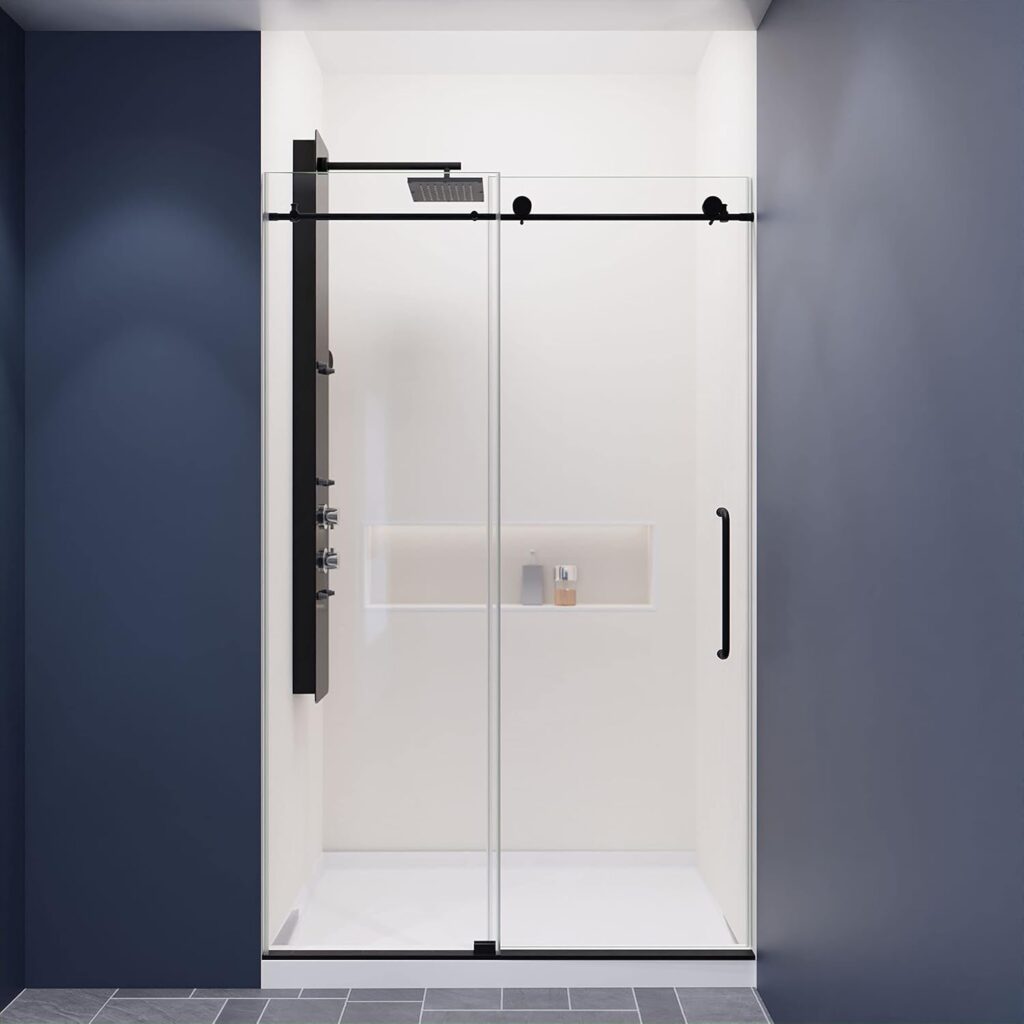
In walk-in showers without a door or curtain, shower head positioning matters even more because the spray angle affects whether water stays inside the shower area. A head angled too aggressively outward can spray water onto the bathroom floor. The standard 80-inch height with a slightly inward angle works well for most walk-in shower kits, but if you’re mounting a rain head directly overhead in an open shower, positioning it more centrally in the space (rather than near the entry side) helps keep the water contained.
Corner and Small Bathrooms
In compact or corner shower units, the standard height guidelines still apply, but there’s less flexibility in placement because the walls and door framing limit your options. In a very small shower enclosure, a ceiling-mounted rain head might actually be preferable to a wall mount, because it keeps the water spray directed straight down and avoids the angled spray that can hit the walls and glass in a cramped space.
Senior and Accessible Bathrooms
For elderly users or people with limited mobility, shower head height is a genuine safety consideration. The shower should be usable from both a standing and seated position, which typically means choosing a handheld unit on a slide bar rather than a fixed head. The slide bar should cover a range from about 48 inches (seated height) to 72–78 inches (standing height). Pairing this with a shower grab bar installed at the appropriate height creates a much safer and more comfortable showering experience. Walk-in showers designed for seniors often incorporate these features as standard.
Quick Reference: Shower Head Height at a Glance
Here’s a summary of the key numbers to keep in mind:
The standard recommended height for shower head placement is 80 inches (6’8″) from the finished floor for most residential fixed installations. Modern new construction often uses 84 inches (7 feet) as the updated standard. Rain shower heads installed overhead work best at 84 to 96 inches. Handheld holder mounts are typically placed at 72 to 78 inches, while the slide bar they attach to spans from about 36 to 66 inches. Shower valves (controls) are separate and should sit at 48 inches for standard use, or 36 to 44 inches for accessible bathrooms. Children’s or accessible showers may go as low as 48 to 60 inches for the shower head itself.
Final Thoughts
Shower head height is one of those details that’s easy to overlook but hard to fix once it’s wrong. Getting it right before the tile goes up or before you commit to a final installation saves you time, money, and daily frustration. The 80-inch standard is a reliable starting point for most households, but the best height is ultimately the one that works for every person who uses that shower.
If you’re in the process of a bathroom upgrade, take the time to measure carefully, think about who uses the space, and consider the type of fixture you’re installing. Whether you go with a sleek fixed head, a luxurious rain shower system, or a practical handheld combo, positioning it at the right height is the difference between a shower that merely functions and one that genuinely feels great every single day. And if you’re upgrading your shower head while you’re at it, explore options like water-saving shower heads or a feature-packed Moen shower head to get the most out of your bathroom refresh.